
10 Best Sous Vide Beef Recipes for Tender, Juicy Dinners You’ll Love
Sous vide beef recipes use a temperature-controlled water bath to prepare juicy steaks, tender roasts, flavorful brisket, and richly seasoned beef ribs. These recipes combine precise cooking, simple seasoning, and delicious finishing techniques that help you achieve consistent results without relying on guesswork. They’re ideal for home cooks who enjoy steakhouse-style dinners, comforting family meals, weekend barbecues, and special occasions with friends.
How to Choose the Right Sous Vide Beef Recipes
Herb and Spice-Rubbed Rib Eye Steaks offer the shortest cooking time and straightforward preparation for beginners. Sous Vide Tri Tip suits families who prefer simple seasonings and generous portions of sliced steak. Choose Sous Vide Beef Tenderloin when you want a more elegant meal for dinner guests.
Oven-Finished Sous Vide Brisket provides ten servings, making it a practical choice for larger family gatherings. Sous Vide Chuck Roast offers an affordable alternative to expensive premium beef cuts for weekend meals. Sous Vide Corned Beef brings familiar comfort food flavors to your table with minimal hands-on work.
10 Best Sous Vide Beef Recipes
These sous vide beef dinner ideas cover different cuts, cooking times, and flavor combinations. Each recipe offers a distinct way to enjoy tender beef at home.
Cooking times reflect the source recipes, while calorie figures represent approximate published values per serving.
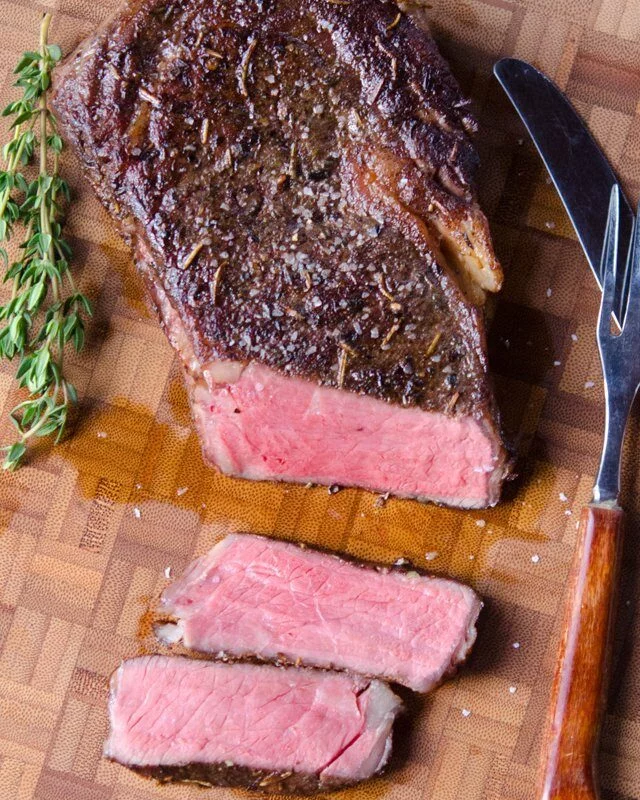
Herb and Spice-Rubbed Rib Eye Steaks
These rib eye steaks bring rich beef flavor together with fragrant rosemary, thyme, oregano, and a hint of cinnamon. The marbling adds richness, while the spice coating creates a savory crust during the final sear. A hot skillet gives each steak an appealing brown finish without requiring an outdoor grill. Serve with roasted potatoes or green beans for a relaxed steakhouse-style dinner at home.
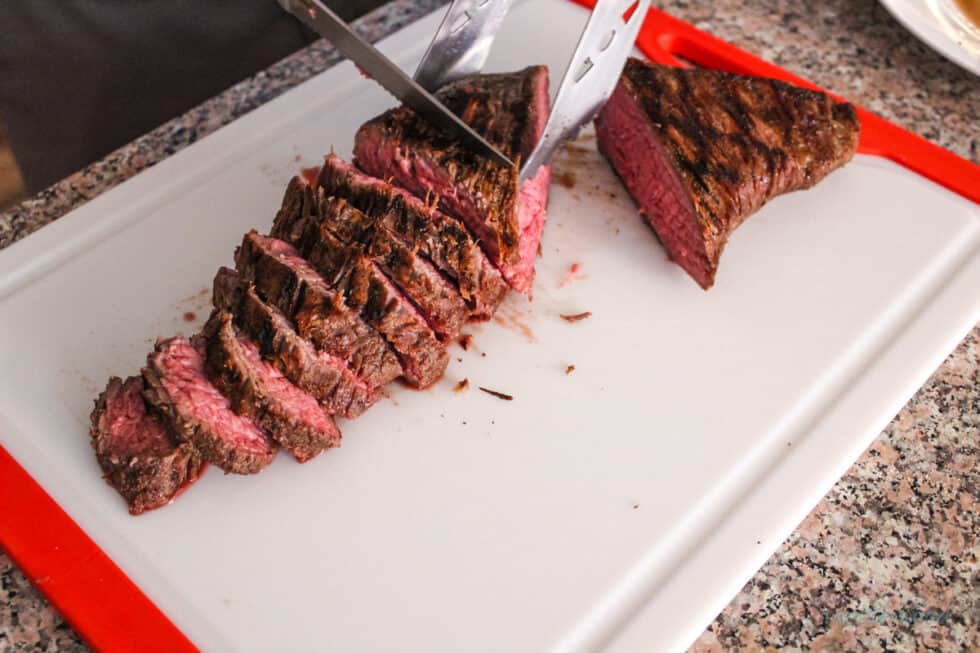
Sous Vide Tri Tip
Tri tip offers a bold beef flavor that pairs well with garlic powder, sea salt, and black pepper. The water bath gently cooks the meat before a hot skillet or grill creates a browned outer crust. Cutting across the grain makes each slice easier to chew and enjoy. Pair this simple roast with fresh vegetables, baked potatoes, or warm tortillas for dinner.
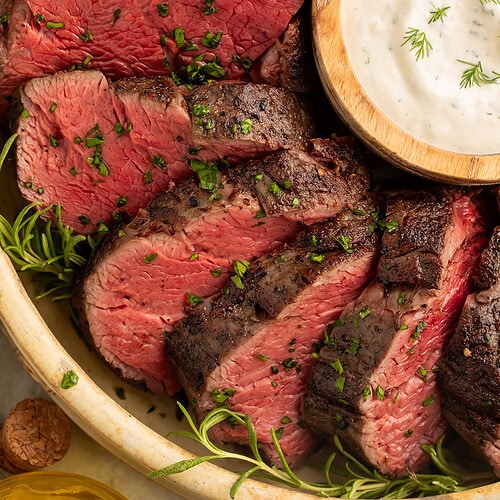
Sous Vide Beef Tenderloin
Beef tenderloin offers a delicate texture and mild flavor that lets fresh rosemary or thyme shine. Precision cooking helps protect this expensive cut from the uneven heat of traditional roasting methods. A deeply browned surface adds contrast to the soft interior, making each slice feel special. Choose creamy horseradish sauce or rich béarnaise for a classic restaurant-style finish at your dinner table.
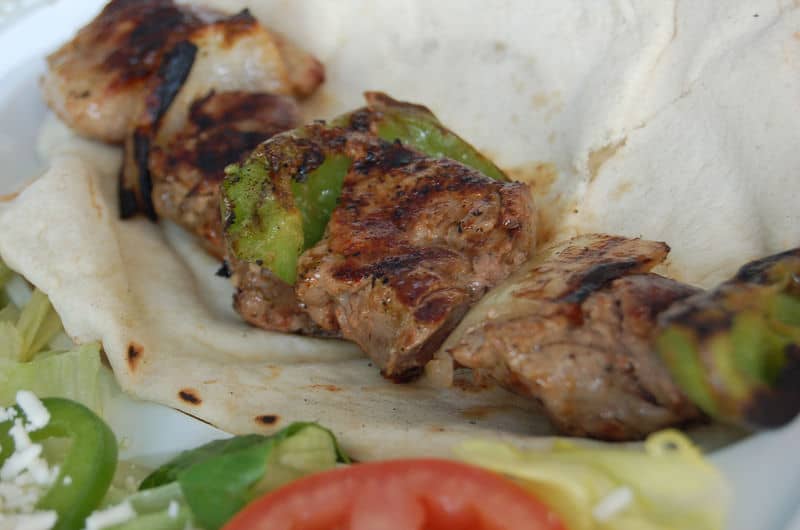
Sous Vide Beef Kebob
These beef kebabs combine bite-sized chuck roast with Dijon mustard, fragrant rosemary, and a touch of brown sugar. The seasoning delivers a gentle sweetness alongside the deep savory flavor of the beef. Cooking the pieces before threading them onto skewers keeps the final grilling stage short and simple. Add grilled peppers, rice, or a crisp salad for a colorful outdoor meal.
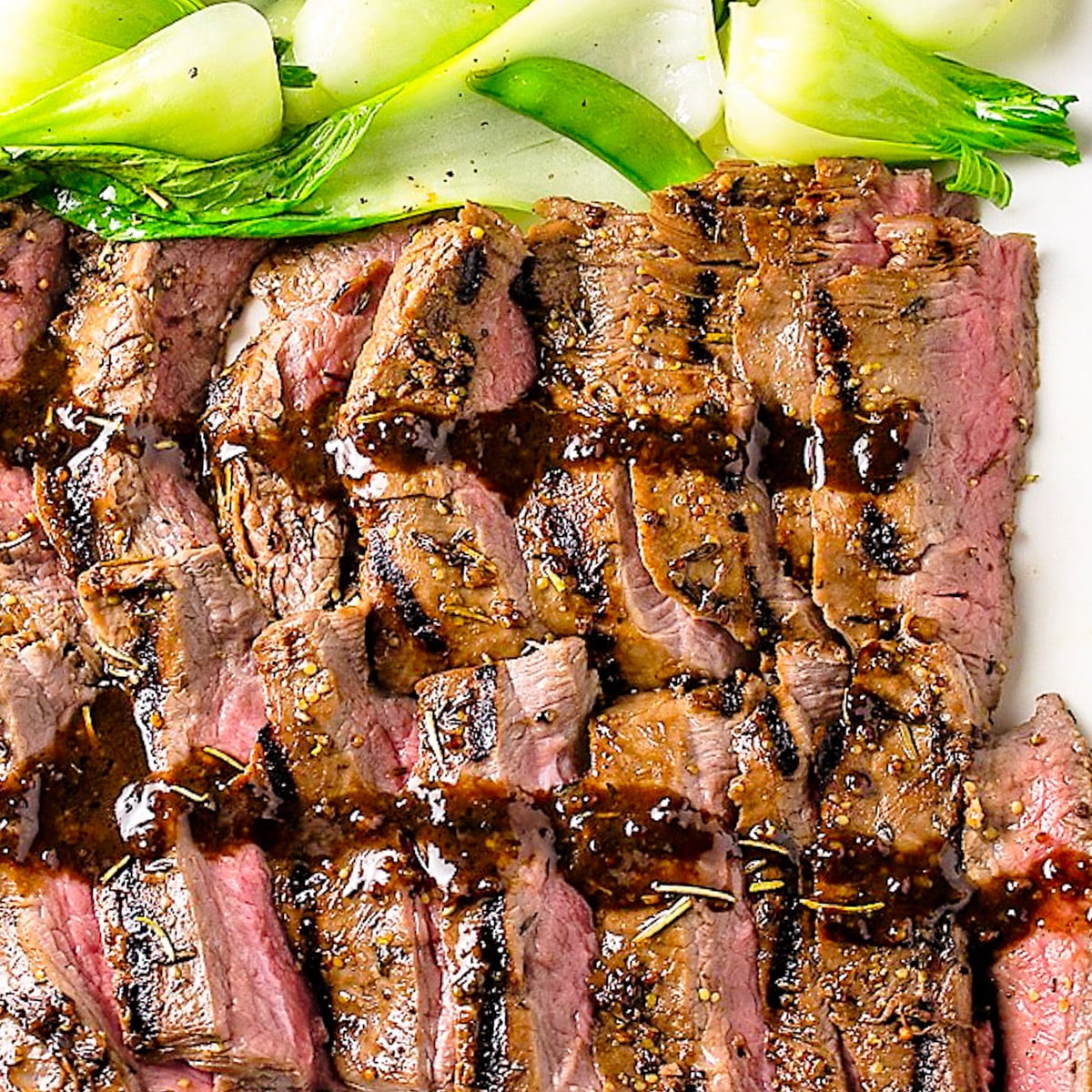
Sous Vide Flank Steak
This flank steak gets its distinctive flavor from balsamic vinegar, mustard, garlic, and aromatic herbs. The marinade brings brightness to the beef, while a separate reduced glaze adds a glossy finish. Thin slices work beautifully in grain bowls, fajitas, sandwiches, or salads with crunchy vegetables. Much of the total preparation time involves marinating, so you can plan the meal several hours ahead.

Sous Vide Prime Rib Roast
Prime rib makes an impressive centerpiece when you want a generous roast with rich, buttery beef flavor. The controlled water bath helps the roast cook evenly before its final coating of garlic and herb butter. A hot oven creates a fragrant crust that contrasts with the tender interior. Serve thick slices alongside creamy potatoes and roasted vegetables for a memorable holiday feast.

Sous Vide Corned Beef
Corned beef brings a familiar salty, savory flavor and fragrant pickling spices to this slow-cooked meal. The sealed cooking bag keeps the meat in contact with its juices throughout the long water bath. Thick slices pair naturally with cabbage, carrots, and buttery potatoes for a comforting traditional dinner. Save leftover portions for hearty sandwiches or a crisp breakfast hash the next morning.

Oven-Finished Sous Vide Brisket
This brisket uses paprika, brown sugar, garlic, mustard, and cayenne to build a flavorful outer coating. The extended water bath softens the tough cut, while oven roasting gives the surface a darker, firmer texture. You get barbecue-style beef without spending hours managing a traditional smoker or outdoor grill. Serve it with coleslaw, baked beans, or cornbread for a generous family gathering.

Sous Vide Chuck Roast
Chuck roast offers deep beef flavor at a price that often beats premium cuts like prime rib. A long cooking time helps soften the connective tissue while maintaining a sliceable texture for serving. Steak seasoning creates a savory crust, and the reserved cooking juices form the base of a rich gravy. Spoon that warm gravy over the roast and fluffy mashed potatoes.

Sous Vide Korean Short Ribs
These Korean-style short ribs balance savory soy sauce with sweet pear, brown sugar, garlic, and fragrant sesame oil. The marinade gives the beef a deep flavor that carries through the long, gentle cooking process. A brief grill finish creates caramelized edges and a sticky coating that pairs beautifully with plain rice. Add cucumber salad or grilled vegetables for a satisfying barbecue-inspired meal.
Tips for the Best Sous Vide Beef Recipes
Start with the right cooking temperature and time for your beef cut. Thick roasts need longer cooking periods than individual steaks.
Choose cuts with suitable marbling when you want a rich, juicy result. Tougher cuts benefit from longer cooking that softens their connective tissue.
Remove excess air from each cooking bag before lowering it into water. Keep the beef fully submerged and leave space for water circulation.
Dry the cooked beef thoroughly before starting the final searing stage. A hot skillet creates a better crust on a dry surface.
Try rosemary, thyme, garlic powder, or smoked paprika for extra flavor. Choose gluten-free tamari instead of regular soy sauce when needed.
Use suitable dairy-free cooking oil instead of butter for the finishing step. Reduce added salt when preparing your own seasoning blends for fresh beef.
Never assume a low water temperature alone makes beef safe. Lower-temperature sous vide cooking requires validated time and temperature combinations that account for meat thickness. For straightforward home food safety, USDA recommends cooking whole beef cuts to 145°F internally, followed by a three-minute rest, and ground beef to 160°F.
How to Store Sous Vide Beef Recipes (Fridge + Freezer Tips)
Cool leftover beef promptly before placing it inside the refrigerator for storage. Keep your refrigerator at 40°F or below and use clean, airtight containers.
Enjoy refrigerated cooked beef within three to four days after preparation. Divide large roasts into smaller portions so they cool more quickly.
Freeze portions in freezer-safe bags with excess air removed to maintain quality. Label each package and aim to use it within two to three months.
Thaw frozen beef overnight inside the refrigerator rather than on your countertop. Add a little broth when reheating to help protect the meat’s moisture.
- Thaw frozen beef inside the refrigerator.
- Place the beef in a covered, heat-safe dish.
- Add a small amount of broth or cooking juices.
- Heat until the internal temperature reaches 165°F.
- Serve immediately with your preferred side dishes.
Frequently Asked Questions
Q: What is the best cut of beef for sous vide cooking?
Ribeye, sirloin, and tenderloin work well for tender steak dinners. Chuck roast, brisket, and short ribs suit longer cooking schedules because they contain more connective tissue. Choose the cut based on your available time and desired texture.
Q: How long should you cook beef sous vide?
Many steak recipes require around one to three hours, while tougher beef cuts may need 24 to 48 hours. The correct cooking time depends on the thickness, temperature, and desired texture. Always follow a reliable time and temperature schedule for your specific cut.
Q: Can you cook frozen beef sous vide?
Yes, you can cook frozen beef directly in a suitable sealed bag. Frozen meat requires additional heating time, which varies with its thickness and shape. Use a cooking schedule specifically designed for frozen beef.
Q: Do you need to sear beef after sous vide cooking?
Searing adds a browned crust, roasted aroma, and deeper flavor to steaks and roasts. Dry the beef thoroughly before placing it in a hot skillet or on a grill. Some dishes, such as corned beef, do not require this finishing step.
Q: Can you overcook beef in a sous vide water bath?
Yes, excessive cooking time can change the texture of beef even when the water temperature remains stable. Tender steaks may become unpleasantly soft, while longer cooking helps certain tough cuts. Follow the recommended time range instead of leaving beef in the water bath indefinitely.
Time to Start Cooking
These sous vide beef recipes offer flavorful options for family dinners, celebrations, and weekend cooking. Start with Herb and Spice-Rubbed Rib Eye Steaks for a simple introduction to precision cooking. Save these ideas for your next beef dinner, or share your favorite recipe below.