
10 Best Boiled Beef Recipes for Tender, Hearty Meals
The best boiled beef recipes turn simple cuts of meat into tender dinners, rich soups, flavorful broths, and comforting meals with fresh vegetables. Gentle simmering helps soften tougher cuts, while herbs, spices, and aromatic ingredients give each dish its own unique flavor and texture. These recipes suit busy home cooks, families planning affordable dinners, and anyone who enjoys warm, hearty food without complicated cooking methods.
How to Choose the Right Boiled Beef Recipe
Sichuan Boiled Beef offers the fastest dinner, with thin slices and a bold, spicy sauce. Nigerian Boiled Beef makes an excellent starting point for beginners who prefer simple ingredients. Caldo de Res feeds a larger crowd with plenty of colorful vegetables and hearty broth.
Choose Boiled Beef and Carrots when you want familiar flavors for a relaxed Sunday lunch. Nilagang Baka suits family dinners with affordable vegetables and a gentle, savory broth. Korean Seolleongtang rewards patient cooks who want extra beef broth for future meals and soups.
10 Best Boiled Beef Recipes
These easy boiled beef recipes bring together comforting dishes from kitchens around the world. You’ll find quick meals, slow-simmered brisket, traditional beef soups, and flavorful noodle bowls.

Nigerian Boiled Beef
This Nigerian-style boiled beef combines everyday seasonings with chunks of beef and just enough water to create a concentrated stock. Onion, oregano, parsley, and white pepper give the meat a warm, savory aroma without a complicated list of ingredients. You can serve the cooked beef with rice, vegetables, or your favorite sauces. Save the remaining stock for another meal, and allow extra cooking time for tougher cuts.

Sichuan Boiled Beef
Sichuan boiled beef, also known as Shui Zhu Niu Rou, offers a fiery alternative to plain boiled meat. Thin slices of marinated beef cook quickly in a broth flavored with ginger, garlic, and fermented chili bean paste. Lettuce and bean sprouts provide a fresh crunch beneath the soft beef, while Sichuan peppercorns create a distinctive tingling sensation. Serve this bold dish alongside a bowl of steamed rice.
Filipino Bulalo
Filipino Bulalo
Bulalo is a traditional Filipino beef shank soup that draws its rich flavor from bones, marrow, and slow cooking. The meat gradually softens as the onions and peppercorns give the broth a mild, comforting aroma. Sweet corn, cabbage, and bok choy add color and texture without overpowering the beef. This warming soup makes a satisfying weekend meal, especially when you serve it with freshly steamed rice.

Caldo de Res
Caldo de Res is a colorful Mexican beef soup filled with beef shank, garden vegetables, tomatoes, and fresh herbs. Browning the meat before simmering gives the soup a deeper flavor, while corn and carrots bring natural sweetness. A squeeze of lime brightens each bowl, and optional jalapeños add a welcome touch of heat. Serve generous portions with warm tortillas for a relaxed family meal.

Nilagang Baka
Nilagang Baka combines beef shanks and soft beef tendons with potatoes, corn, green beans, and cabbage. The slow cooking process creates a clear, savory soup with plenty of body from the connective tissue. Fish sauce and peppercorns bring depth without hiding the natural sweetness of the fresh vegetables. Enjoy this traditional Filipino meal with steamed rice when you want a filling dinner with gentle flavors.

Boiled Beef and Carrots
This old-fashioned boiled beef dinner pairs a whole brisket with large pieces of carrots, celery, and fragrant whole spices. A small amount of brown sugar balances the savory cooking liquid, while cloves add a warm, distinctive fragrance. The brisket becomes soft enough to slice after several hours of gentle cooking. Serve the meat with its vegetables and cooking juices, or add dumplings for extra comfort.

Vietnamese Beef Pho
Vietnamese beef pho brings together soft rice noodles, simmered brisket, and a fragrant homemade broth with warm whole spices. Charred ginger and onion add depth, while star anise and cinnamon fill the kitchen with a distinct aroma. Fresh herbs, lime, and crunchy bean sprouts balance the richness of the meat and bones. Allow additional cooking time beyond the listed estimate if needed for the broth.
Austrian Tafelspitz
Tafelspitz is a classic Austrian boiled beef dish that turns a large cut of meat into an elegant sliced dinner. The beef cooks alongside marrow bones, juniper berries, bay leaves, and root vegetables, creating a fragrant cooking liquid. A browned onion adds another layer of flavor without a heavy sauce or complicated seasoning. Serve the tender slices with crisp potatoes, fresh chives, or traditional horseradish sauce.

New England Boiled Dinner
New England boiled dinner brings together brisket, cabbage, potatoes, turnips, and carrots for a complete American comfort meal. The recipe works with either fresh or corned beef brisket, giving you flexibility when shopping for the main ingredient. Slow cooking develops tender meat, while the vegetables soak up the flavorful cooking liquid during the final stage. A spoonful of mustard or horseradish adds a pleasant sharp finish.
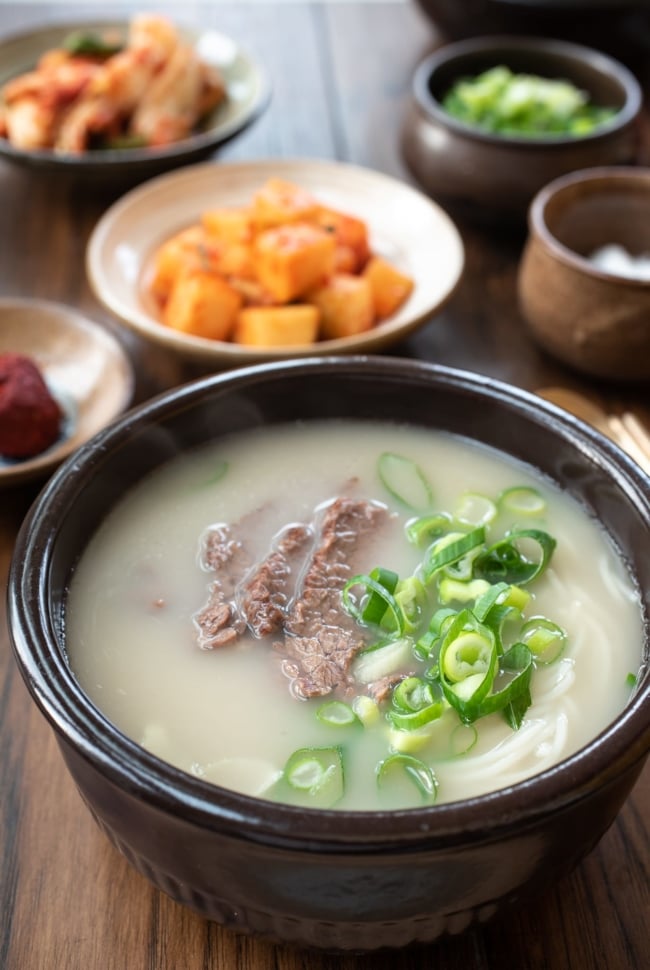
Korean Seolleongtang
Korean Seolleongtang features a milky beef broth made by boiling marrow bones and cooking beef brisket or shank. The long cooking process produces a rich texture without adding cream, while sliced meat makes each serving more filling. Rice, noodles, and chopped scallions turn the mild soup into a comforting meal that you can season individually. Additional batches of broth require several extra hours beyond the listed time.
Tips for the Best Boiled Beef Recipes
A gentle simmer gives most tough beef cuts enough time to soften. Keep the cooking liquid moving slightly instead of bubbling hard throughout the cooking process. Korean bone broth is an exception because a stronger boil creates its milky texture.
Choose brisket, chuck, or beef shank when preparing long-cooked soups and hearty dinners. These cuts contain connective tissue that gradually softens during slow cooking. Choose tender, thinly sliced beef for quick Chinese-style recipes instead.
Add aromatic vegetables such as onions, celery, ginger, and garlic for a richer broth. Bay leaves, peppercorns, and fresh herbs can add depth without overpowering the meat.
Use unsalted broth when you want more control over the final seasoning. Check soy sauce and stock labels when preparing gluten-free meals for your family. Skip cream-based accompaniments for dairy-free meals, and cook vegetables longer for softer textures.
Avoid boiling tough beef rapidly to shorten cooking time. Check tenderness with a fork and allow extra simmering time when necessary.
How to Store Boiled Beef Recipes (Fridge + Freezer Tips)
Transfer leftover boiled beef into shallow airtight containers within two hours of cooking. Store the containers in a refrigerator at 40°F or below for three to four days.
Freeze the beef and its broth in freezer-safe containers for two to three months for best quality. Leave room for the liquid to expand during freezing.
Keep noodles and delicate vegetables in separate containers whenever possible to preserve their texture. Label each portion with its cooking date before placing it inside the freezer.
Thaw frozen portions overnight in the refrigerator rather than leaving them on the counter. Reheat only the amount you plan to serve.
- Transfer the beef and broth into a saucepan.
- Add a little water if the broth needs thinning.
- Heat the beef gently, stirring occasionally.
- Bring soups to a rolling boil and check that the beef reaches 165°F.
- Serve immediately with your preferred side dishes.
Frequently Asked Questions
Q: What is the best cut of beef for boiling?
Beef brisket, chuck, shank, and short ribs work well for slow boiling and simmering. Their connective tissue gradually softens during moist cooking, creating tender meat and flavorful broth. Tender steak cuts work better for quick poaching recipes.
Q: How long should you boil beef to make it tender?
Small, tender beef pieces may cook in 20 to 30 minutes, while tougher cuts often need two to four hours of gentle simmering. The exact time depends on the cut, thickness, and cooking method. Test the meat with a fork before serving.
Q: Why is my boiled beef still tough?
Boiled beef can remain tough when connective tissue needs more time to soften. Excessive heat can also cause muscle fibers to tighten and lose moisture. Lower the heat and continue simmering tough cuts until they become fork-tender.
Q: Can you reuse the water after boiling beef?
Yes, you can reuse properly handled beef cooking liquid as stock for soups, stews, sauces, and rice dishes. Strain the liquid and remove excess fat if desired. Refrigerate or freeze it promptly for later use.
Q: What can you serve with boiled beef?
Serve boiled beef with mashed potatoes, steamed rice, noodles, cooked vegetables, or fresh bread. Horseradish, mustard, and herb sauces can add extra flavor to sliced beef. For beef soups, rice or crusty bread makes a simple and filling accompaniment.
Time to Start Cooking
These boiled beef recipes give you plenty of choices, from simple seasoned meat to hearty soups and comforting family dinners. Start with Nigerian Boiled Beef for an approachable dish that works with many everyday side dishes. Save your favorite recipes for later, or share your favorite boiled beef dinner in the comments.