
10 Best Smoked Beef Recipes for Juicy BBQ Dinners
The best smoked beef recipes bring together juicy hamburgers, tender steaks, slow-smoked brisket, rich beef ribs, and flavorful roasts for memorable backyard meals. These recipes combine hardwood smoke, simple seasonings, and controlled cooking temperatures to develop deep flavor and tender textures. They’re ideal for barbecue beginners, weekend cooks, family gatherings, and anyone looking for new ways to enjoy beef on a smoker.
How to Choose the Right Smoked Beef Recipe
Smoked Hamburgers offer the fastest option here, with simple ingredients and familiar flavors for beginners. Smoked Steak works well when you want a smaller dinner with little preparation. Choose Smoked BBQ Meatballs for casual parties where guests can grab individual bites.
Texas Style Smoked Beef Brisket makes an excellent centerpiece for a large weekend gathering. Smoked Pulled Beef Chuck Roast gives you tender meat for several different meals. For rich comfort food, choose Jack’d Up Smoked Meatloaf with its warm cheese center.
10 Best Smoked Beef Recipes
These smoked beef recipes cover everything from familiar ground beef favorites to classic barbecue cuts. Each selection offers a different texture, flavor, cooking time, or way to serve beef. Cooking times are planning estimates, and calories are approximate per serving.

Smoked Hamburgers
These hamburgers give an everyday favorite a rich layer of hardwood smoke before a hot finishing sear. Ground chuck brings a juicy texture, while simple beef seasoning adds savory depth without hiding the meat’s flavor. Melted cheddar and toasted buns make each bite warm, crisp, and satisfying. Serve them with crunchy pickles, fresh lettuce, sliced tomatoes, or your favorite homemade burger sauce.

Smoked Steak
A gentle smoking stage gives thick beef steaks time to develop a woody aroma before they meet a hot skillet. Salt and black pepper let the natural beef flavor shine without a complicated marinade or lengthy preparation. The final sear creates a browned crust that contrasts nicely with the tender interior. Pair these steaks with roasted potatoes or a crisp green salad.

Smoked BBQ Meatballs
Smoky ground beef meets a fruity barbecue coating in these tender, bite-sized meatballs. Breadcrumbs and eggs help the meatballs hold their shape, while garlic and smoked paprika provide warm savory notes. Peach preserves add a mellow sweetness that balances the rich beef and barbecue sauce. Serve them with toothpicks at a gathering or tuck them into soft sandwich rolls for dinner.

Smoked Tri Tip
Tri tip offers the bold flavor of steak in a roast that you can slice and share. The low smoking temperature builds a pleasant wood aroma before a hot butter sear browns the surface. Its changing grain makes careful slicing important for tender bites across the entire roast. Serve the slices with grilled vegetables, fresh salsa, or a simple potato side.

Jack’d Up Smoked Meatloaf
This meatloaf adds a warm pepper jack cheese filling to a familiar ground beef dinner. Onion, garlic, breadcrumbs, and a splash of whiskey build a rich base with layers of savory flavor. Hardwood smoke and a bold sauce give the outside a darker, more flavorful finish during the long cook. Thick slices pair nicely with mashed potatoes and steamed green beans.

Smoked Prime Rib
Prime rib brings a rich, tender roast to the table with plenty of natural beef flavor. A coating of garlic, mustard, and Worcestershire sauce adds a sharp savory contrast to the marbled meat. Slow smoking develops a warm wood aroma, while the final burst of heat darkens the seasoned exterior. Carve generous slices for a celebration dinner with potatoes and fresh vegetables.

Smoked Beef Short Ribs
Beef short ribs reward patient cooking with tender meat and a deeply savory taste. A brown mustard coating helps the seasoning cling to each rib as the hardwood smoke builds a dark exterior. Regular sprays of beef stock add moisture during the extended cooking process without requiring a heavy barbecue sauce. The finished ribs make a satisfying meal alongside crisp coleslaw.
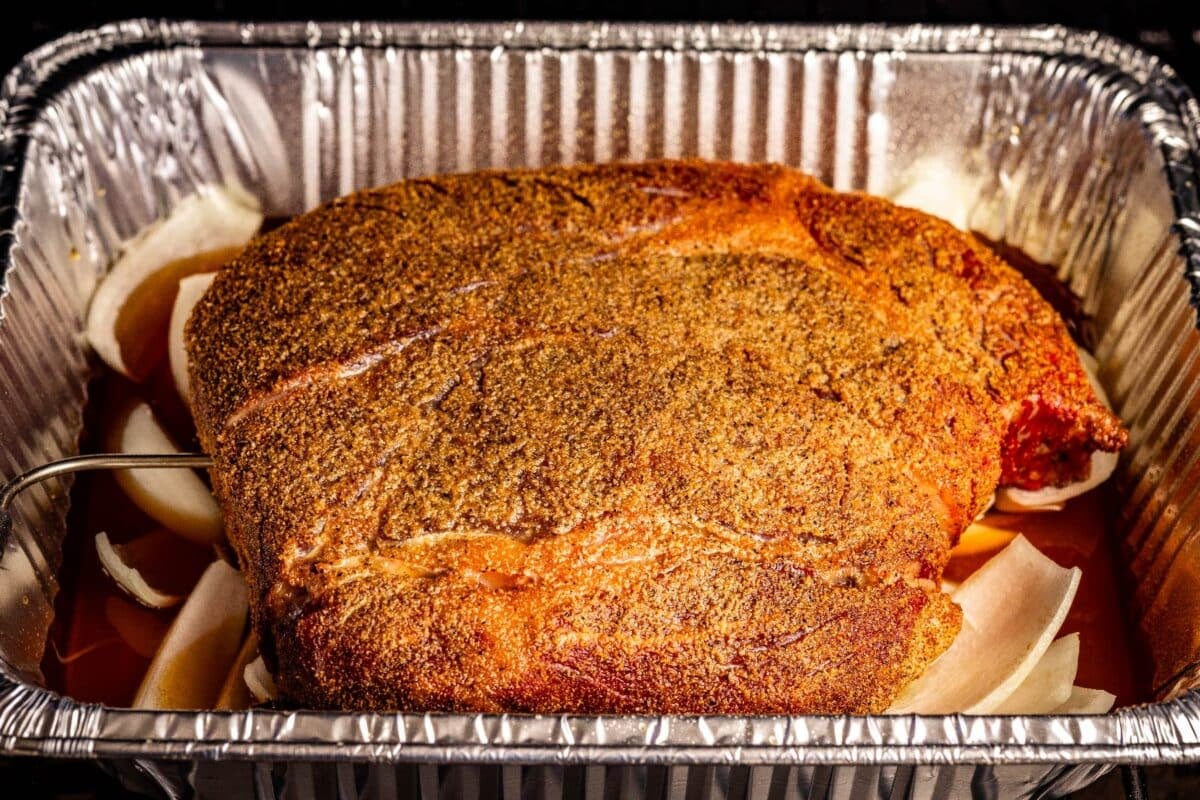
Smoked Pulled Beef Chuck Roast
Chuck roast combines the familiar comfort of pot roast with the deeper flavor of backyard barbecue. The meat first absorbs smoke before finishing over sliced onions in a flavorful beef broth. Long cooking softens the connective tissue, giving the roast a texture that you can pull apart with forks. Use the shredded beef for tacos, sandwiches, rice bowls, or hearty baked potatoes.

Smoked Brisket Burnt Ends
Burnt ends turn the fatty brisket point into small beef cubes with sticky, caramelized edges. The meat spends several hours in hardwood smoke before a final coating of barbecue sauce and brown sugar. Each piece offers a contrast between its deeply seasoned surface and soft, rich interior after the long cook. Enjoy these savory sweet bites as appetizers or alongside classic barbecue sides.

Texas Style Smoked Beef Brisket
Texas style brisket gives you the classic barbecue combination of dark bark, tender slices, and rich beef flavor. Salt, black pepper, and garlic create a straightforward seasoning that lets the hardwood smoke complement the meat. The whole brisket includes both the leaner flat and the richer point, offering two distinct textures. Serve generous slices with pickles, onions, beans, and fresh bread.
Tips for the Best Smoked Beef Recipes
Keep a steady smoker temperature throughout the main cooking stage for more predictable results. Most slow-smoked beef cuts cook well between 225°F and 275°F.
Choose beef with enough marbling when smoking ribs, brisket, or chuck roast. This intramuscular fat contributes rich flavor as the meat cooks over several hours.
Oak provides a balanced smoke flavor that works well with many beef cuts. Use hickory wood for stronger flavor, or choose cherry wood for milder sweetness.
Avoid opening the smoker repeatedly because frequent heat loss can extend cooking times. Use a reliable meat thermometer to track doneness instead of guessing from appearance.
Try garlic, smoked paprika, or coarse pepper for an easy seasoning upgrade. Choose gluten-free sauces when needed, and check packaged rubs for hidden ingredients.
Replace butter with suitable dairy-free oil when preparing steaks or tri tip. Reduce added salt by choosing low-sodium beef stock and mixing your own seasonings.
Follow USDA food safety guidance. Cook whole beef cuts to at least 145°F with a three-minute rest. Cook ground beef to at least 160°F. Brisket and short ribs typically need higher temperatures for tenderness.
How to Store Smoked Beef (Fridge + Freezer Tips)
Refrigerate cooked beef in shallow, airtight containers within two hours after cooking or serving. Reduce that window to one hour when temperatures exceed 90°F.
Keep your refrigerator at 40°F or below and use leftovers within four days. Store sliced brisket and pulled beef with some cooking juices to help retain moisture.
Divide larger batches into individual portions before freezing for easier future meals. Keep frozen smoked beef at 0°F or below, using it within three months for best quality.
Thaw frozen portions overnight in the refrigerator rather than leaving them on counters. Reheat only the portion you need for your next meal.
- Preheat your oven to 300°F.
- Place the smoked beef in an oven-safe dish.
- Add a little beef broth or reserved cooking juice.
- Cover the dish tightly with aluminum foil.
- Heat until the center reaches 165°F.
- Serve promptly with your preferred side dishes.
Frequently Asked Questions
Q: What is the best cut of beef to smoke?
Brisket, chuck roast, short ribs, and tri tip are excellent beef cuts for smoking. Brisket suits long barbecue sessions, while tri tip offers a shorter cooking time. Chuck roast works especially well for shredded beef meals.
Q: Is it better to smoke beef at 225 or 250 degrees?
Both temperatures work well for low and slow beef recipes. A smoker running at 225°F generally provides a slower cook, while 250°F can shorten cooking time. Follow the temperature recommended for your chosen cut and recipe.
Q: What wood gives smoked beef the best flavor?
Oak offers a balanced flavor that complements most beef cuts. Hickory produces a stronger smoky taste, while cherry wood provides a milder, slightly sweet aroma. You can also blend compatible hardwoods to suit your preferences.
Q: How do you keep beef moist while smoking?
Choose a suitable cut, maintain steady heat, and avoid cooking beyond the texture your recipe requires. Some brisket and chuck roast recipes use wrapping or added broth to limit moisture loss. Rest the cooked beef before slicing or shredding.
Q: What is the easiest beef recipe to smoke for beginners?
Smoked Hamburgers offer a straightforward starting point because they use familiar ingredients and take less time than large roasts. You can practice managing smoker heat and checking internal temperatures. Smoked Steak is another approachable choice once you feel comfortable using a thermometer.
Time to Start Cooking
These smoked beef recipes offer plenty of choices for easy cookouts, comforting dinners, and weekend celebrations. Start with Smoked Hamburgers when you want familiar flavors and a shorter cook. Save this collection for your next barbecue, or share which beef recipe you plan to try first.